
Username or email address *Required
Password *Required
Log in
Lost your password? Remember me
Showing 1–100 of 176 resultsSorted by latest
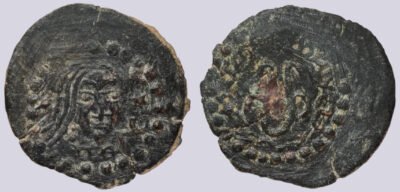
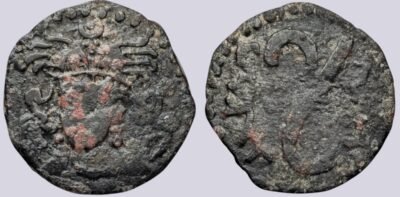
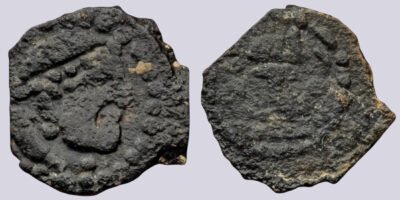
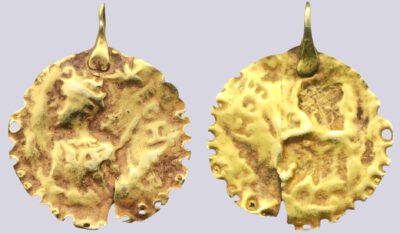
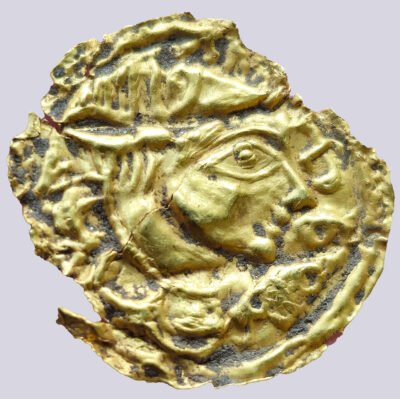
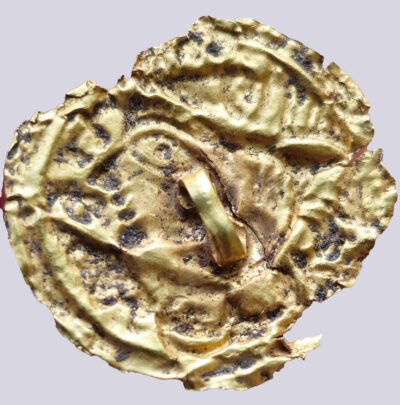
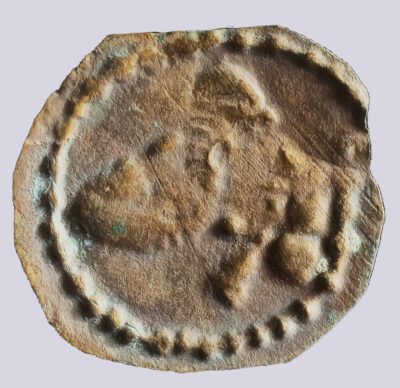
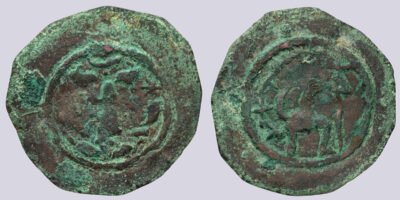
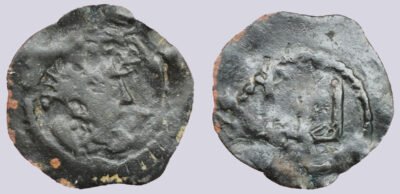
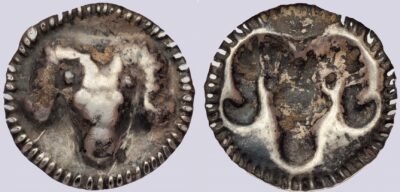
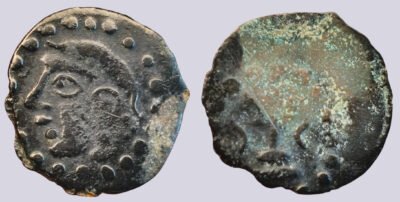
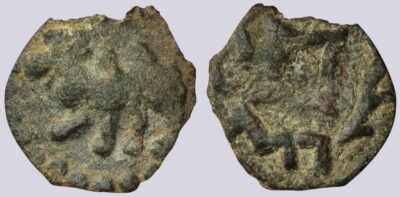
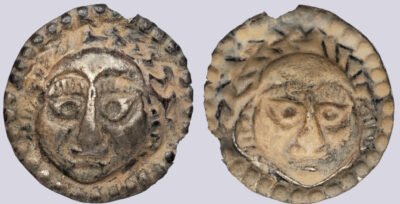
Silver bracteate. Early medieval period, 4th–6th centuries AD AR bracteate (0.60 g) Silver bracteate executed in characteristic Hunnic steppe style,
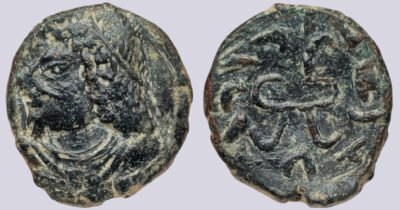
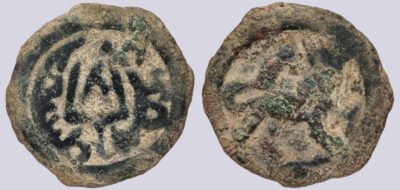
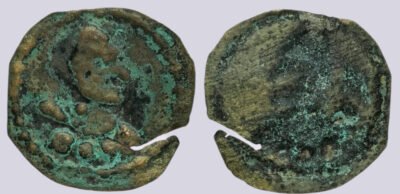
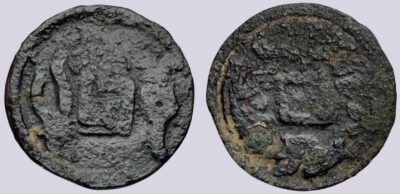
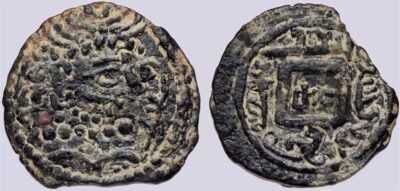
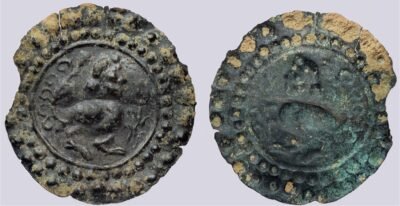
Central Asia. Local principalities in Chach. Kanka City. Unknown ruler. 7th – 8th cent. AD AE unit (1.83 g) OBVERSE:
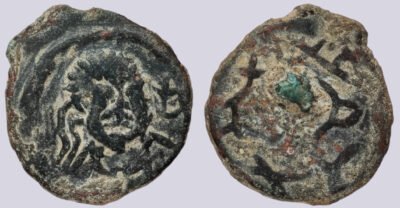
Central Asia. Local principalities in Chach. Kanka City. Unknown ruler. 7th – 8th cent. AD AE unit (1.84 g) OBVERSE:
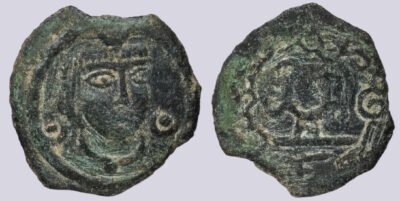
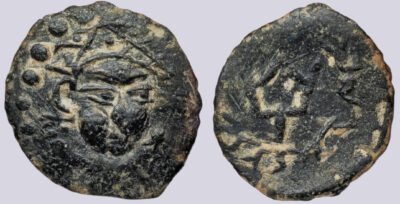
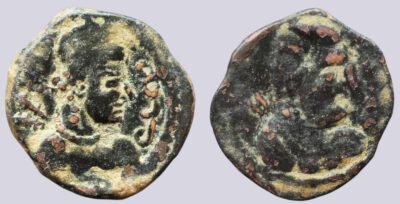
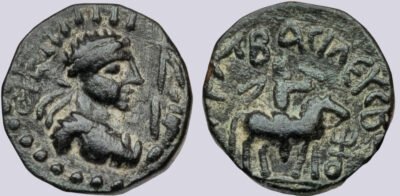
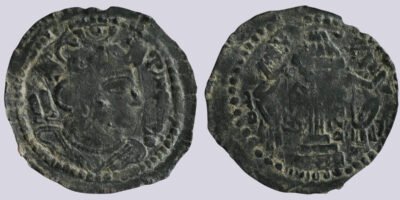
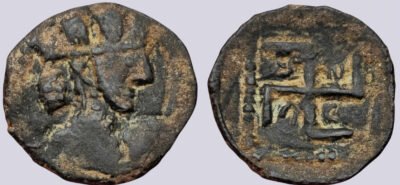
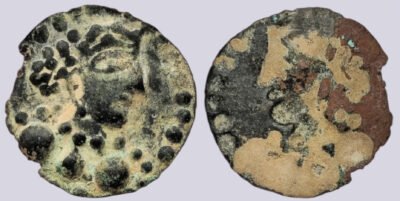
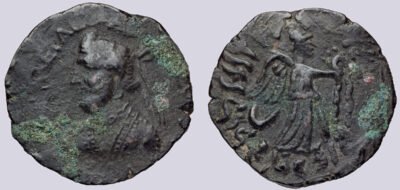
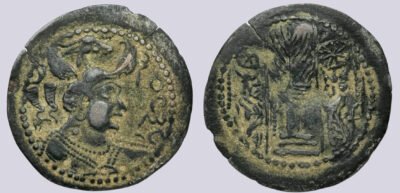
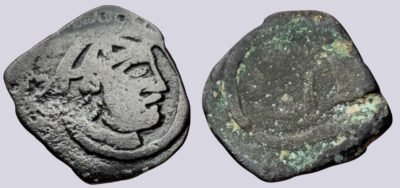
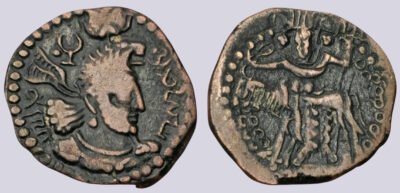
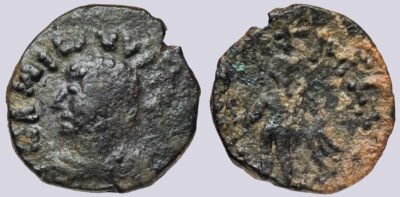
Iranian Huns. Alkhan / Alchon Huns. Unknown Alkhan king (IV cent. AD) AE unit (1.19 g) OBVERSE: bust in profile
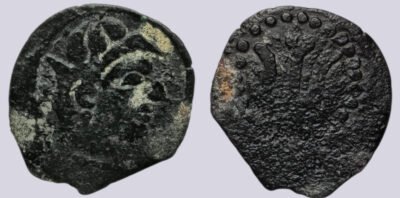
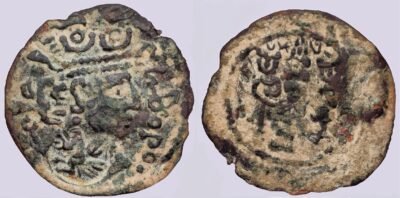
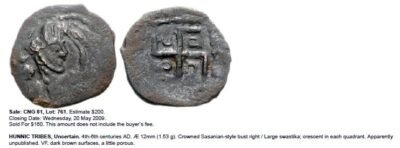
Iranian Huns. Alkhan / Alchon Huns. Gandharan series of Kashmir Smast (4th/5th cent. AD) AE unit (1.09 g, 12 –
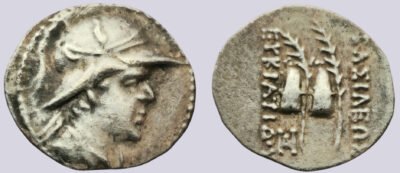
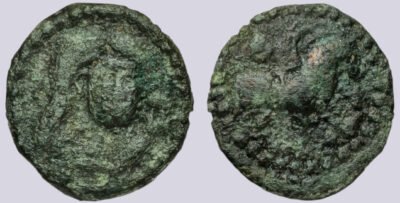
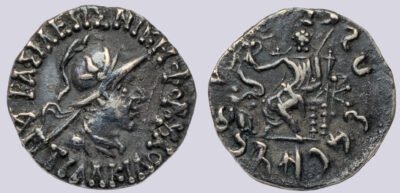
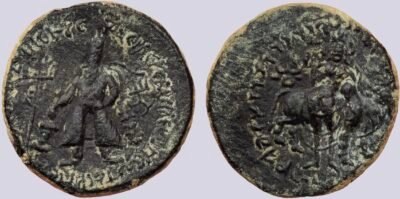
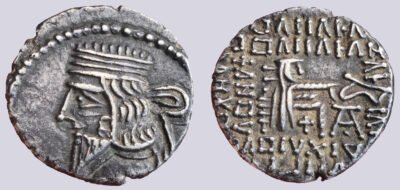
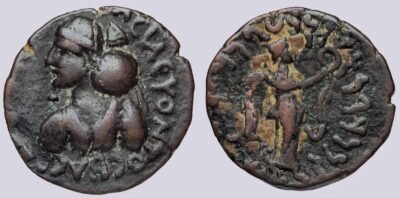
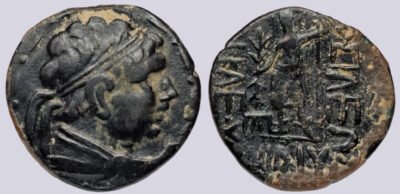
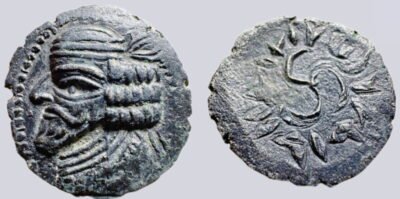
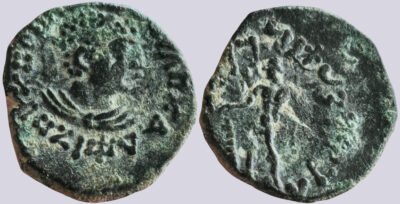
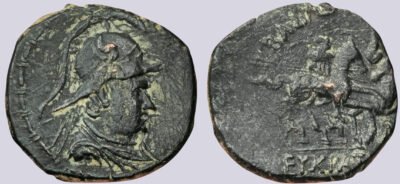
Indo-Greek Kingdoms. Antialkidas (115-95 BC) Antialkidas Nikephoros (“the Bringer of Victory”) was an Indo-Greek king who ruled in the northwestern
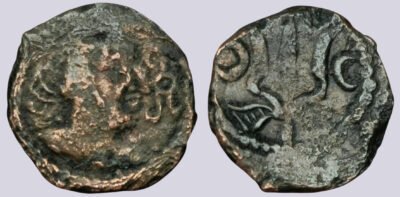
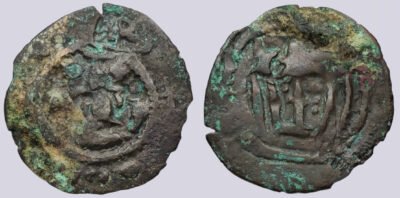
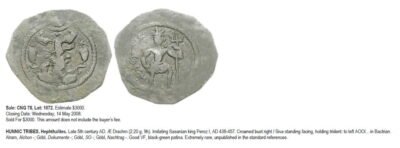
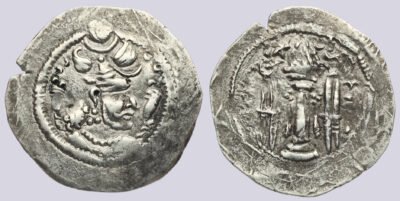
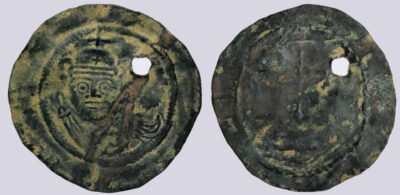
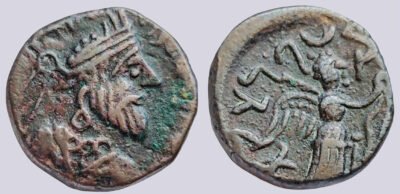
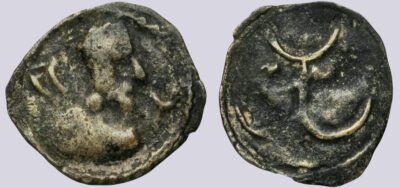
Iranian Huns. Hephthalites or Western Turks. Uncertain ruler. 5th – 6th cent. AD AE unit (0.61 g) OBVERSE: Sasanian style
https://youtu.be/03-i211dBFg?si=DxiK8O7qCpLEqgZz
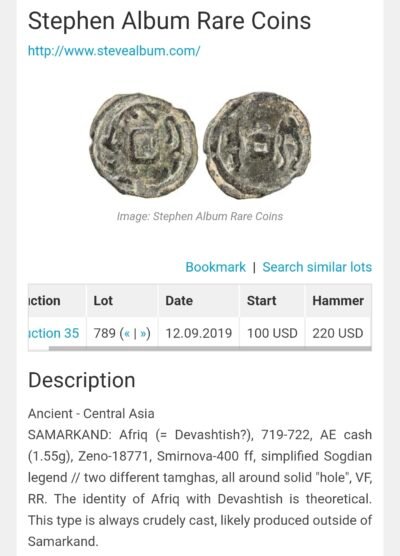
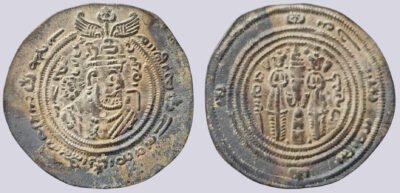
Central Asia. Soghd. Ikhshids of Samarqand. Turghar (738-750AD) Historical Context: The Ikhshids of Samarqand were local Sogdian rulers, semi-independent but
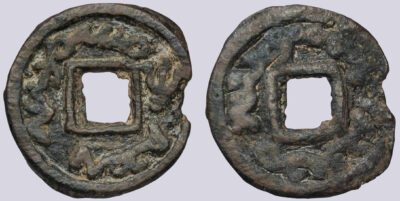
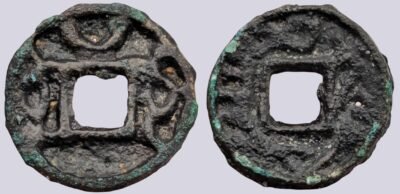
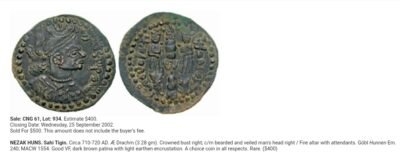
Western Turk Dynasties. Coin in the name of the Nezaks, but struck during the time of the Western Turks (second half
Ancient Central Asia. Silk Road Cultures. Copper bracteatein Hunnic style. 4th-6th cent. AD 1.17 g, 30.5 – 31 mm ♦Please,
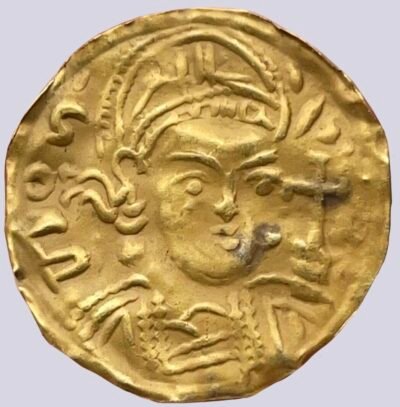
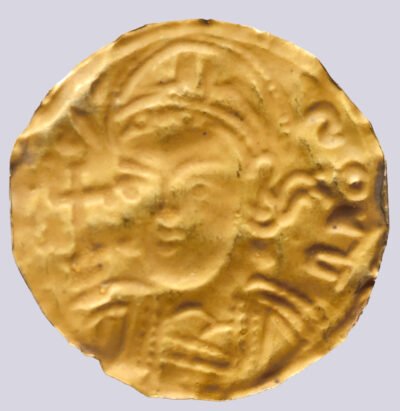
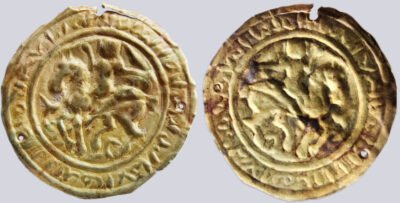
Central Asia / Silk Road. Hunnic copper imitation of Byzantine style Prototype – Byzantine AV solidus of emperor Heraclius, with
https://youtu.be/cFG-ji08HUM?si=gxyPgRnIWoTzE3qS