

Username or email address *Required
Password *Required
Log in
Lost your password? Remember me
Showing 101–200 of 372 resultsSorted by latest
https://youtu.be/UE5wxh0wFYc?si=E1EoQeQz-YU1VEnF
https://youtu.be/IKRQP_0WEmU?si=FuIFXQuBZSIdYU7g
https://youtu.be/MrXVFpobnqY
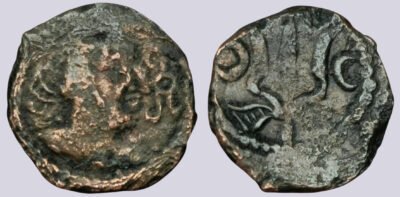
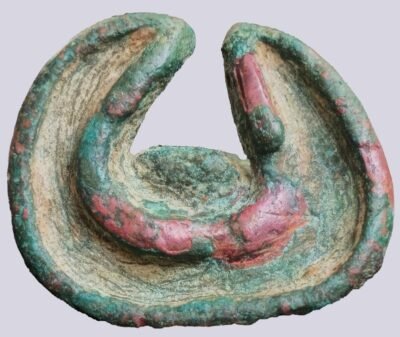
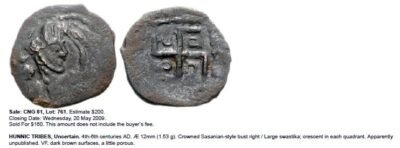
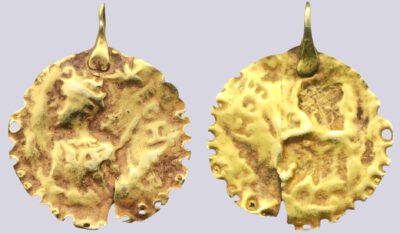
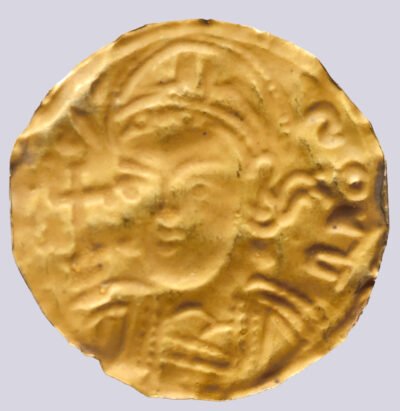
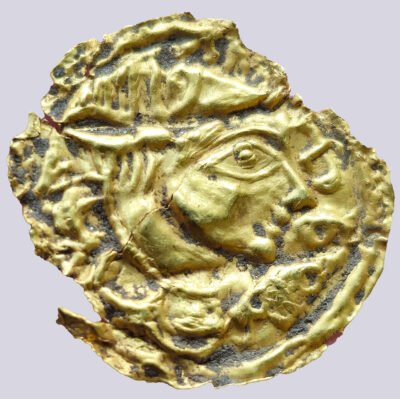
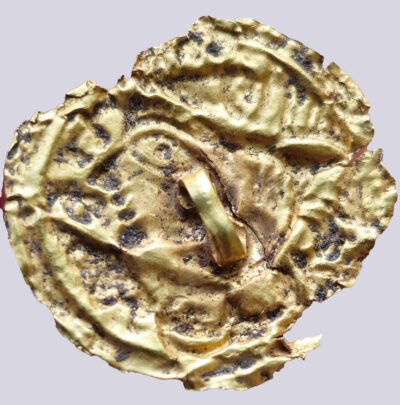
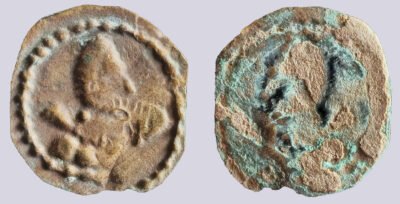
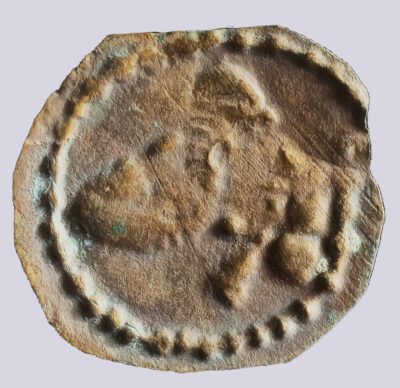
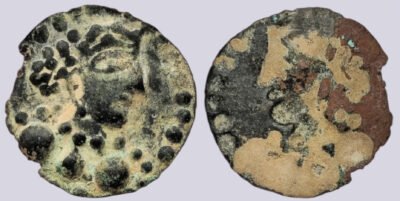
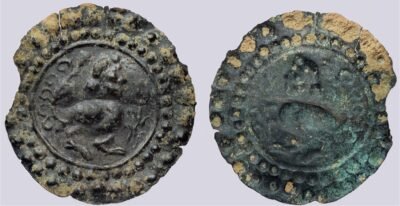
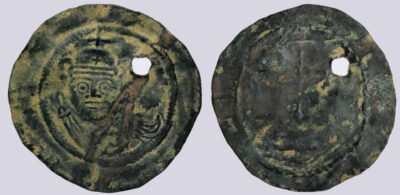
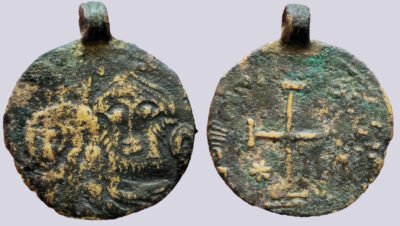
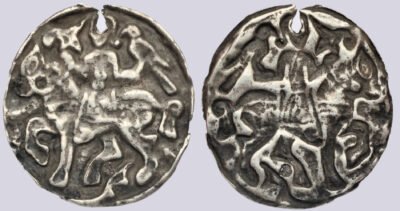
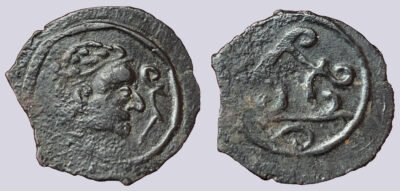
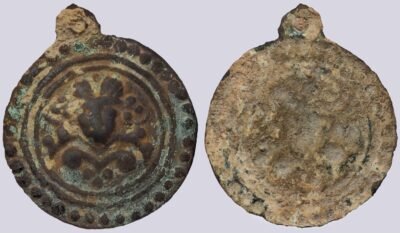
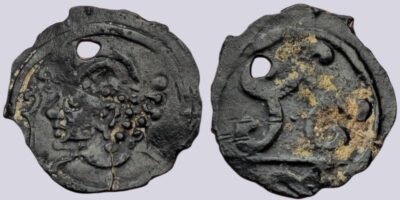
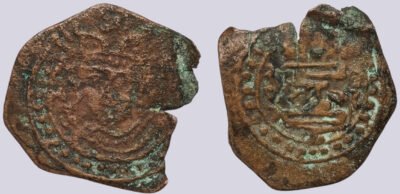
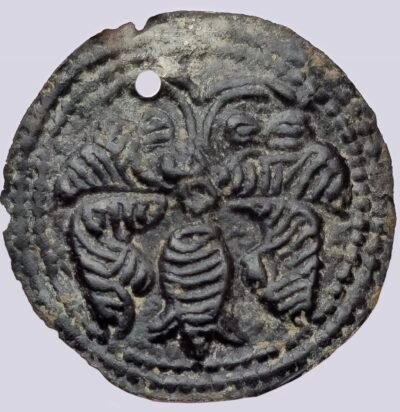
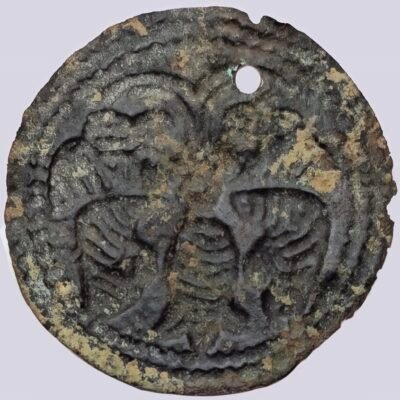
This AE (copper) bracteate appears to be in a Hunnic or Hephthalite floral style, reflecting the artistic and cultural influences
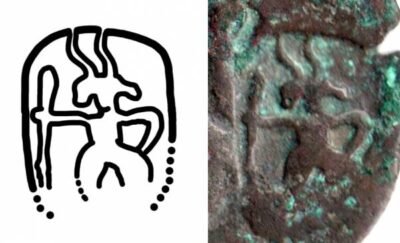
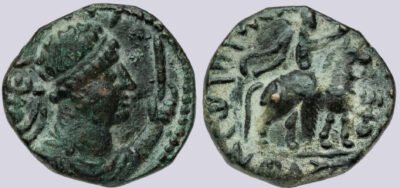
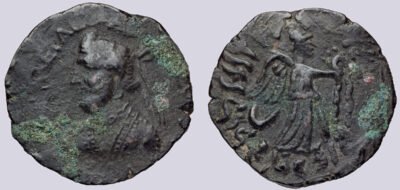
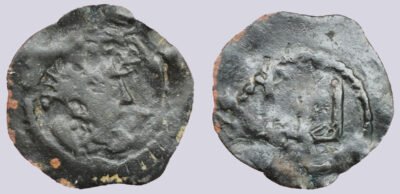
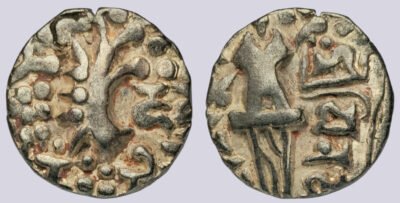
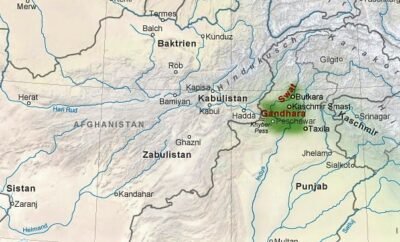
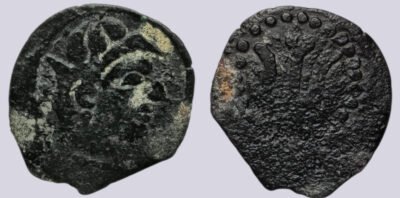
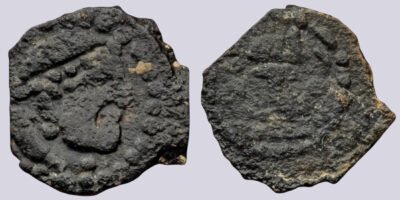
Iranian Huns. Alkhan / Alchon Huns. Gandharan series of Kashmir Smast (4th/5th cent. AD) AE unit (1.09 g, 12 –
https://youtu.be/bRnXM2Rpsco?si=Ue8JB4ccel7yMM1P
https://youtu.be/xz6rrPawG-w?si=rh-uykdBMaxOsgw3
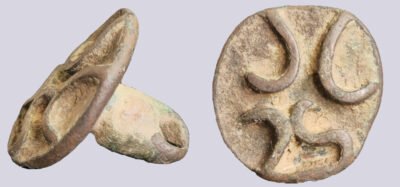
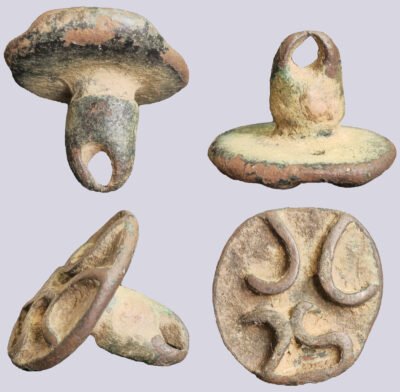
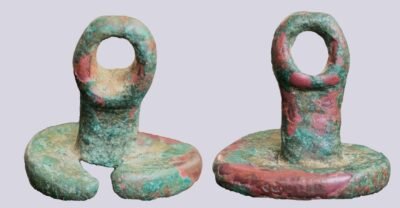
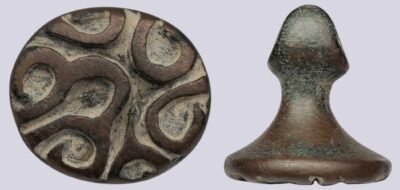
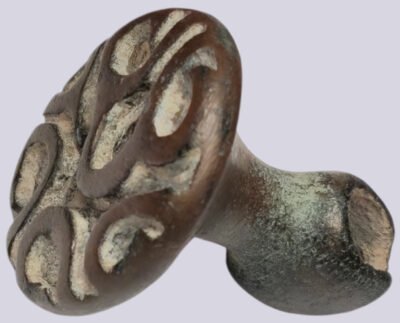
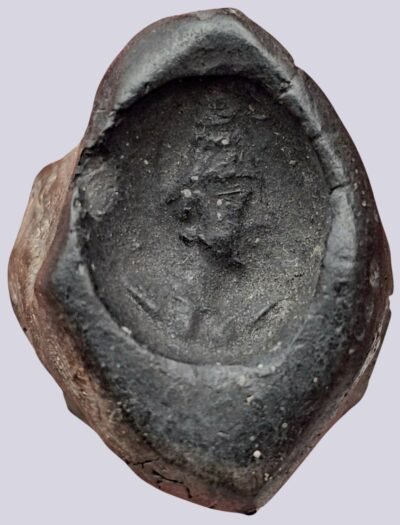
Bactrian bronze stamp seal from around 2300–2000BC, a fine example of early administrative and trade tools from Central Asia Weight
https://youtu.be/eR13DjqxX28
https://youtu.be/22o3tvxzyNs
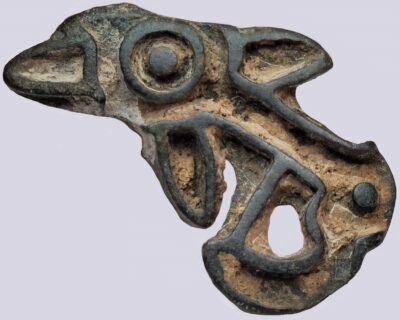
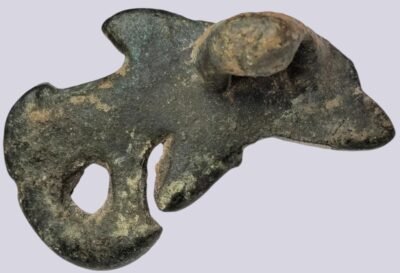
Bactrian bronze stamp seal in the form of a stylized Dolphin from around 2300–2000BC, a fine example of early administrative
https://youtu.be/Z3l0YJPVE6Y?si=UC2kYKjaz03Bei8J
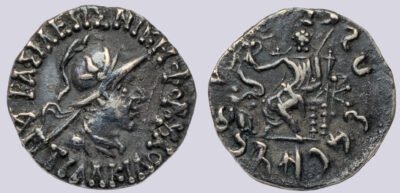
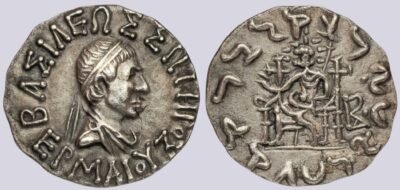
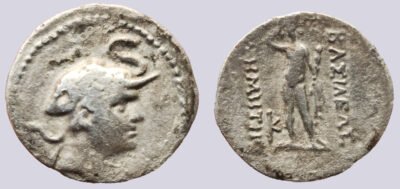
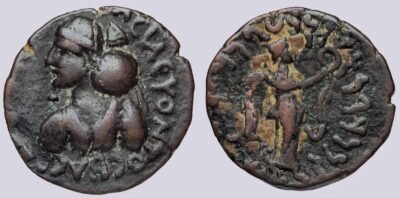
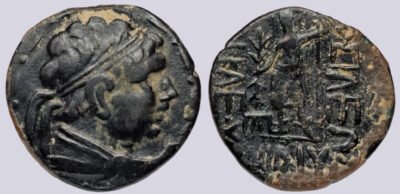
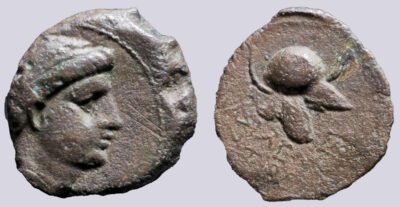
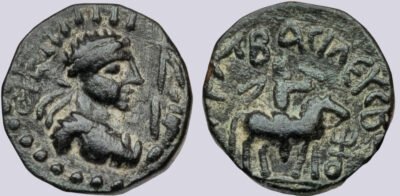
Indo-Greek Kingdoms. Antialkidas (115-95 BC) Antialkidas Nikephoros (“the Bringer of Victory”) was an Indo-Greek king who ruled in the northwestern
https://youtu.be/QlwlgeJ08Y4?si=s2ov1jOGFLI_ZkVn
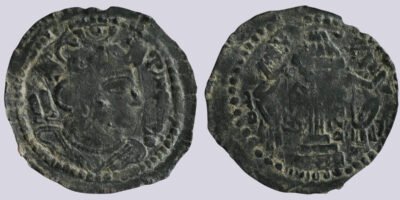
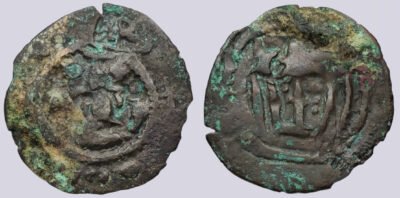
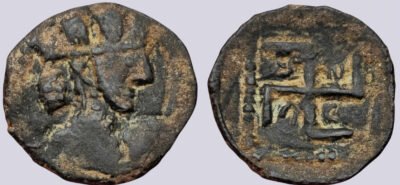
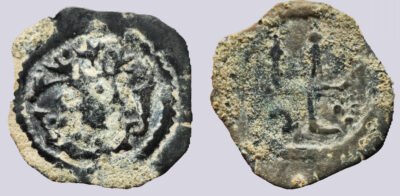
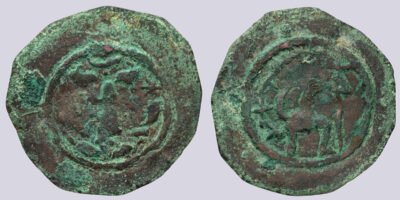
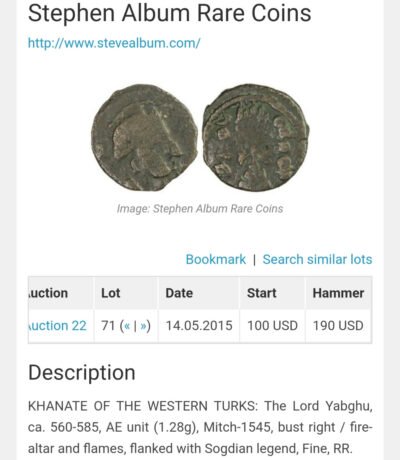
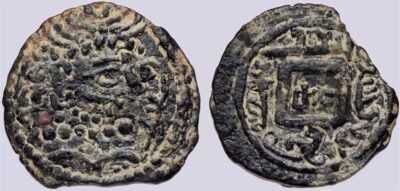
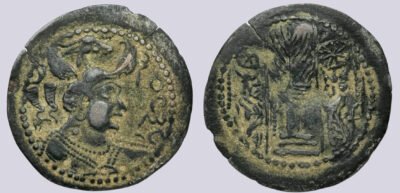
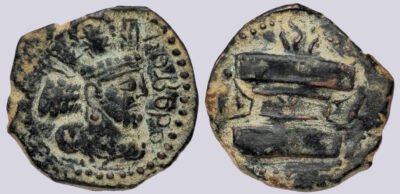
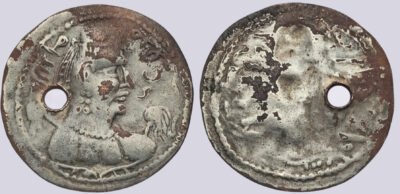
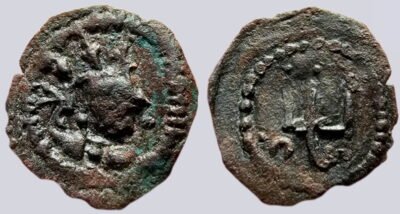
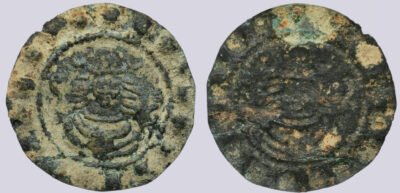
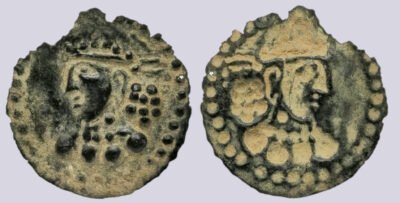
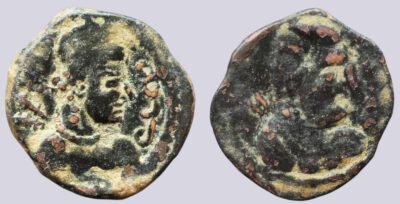
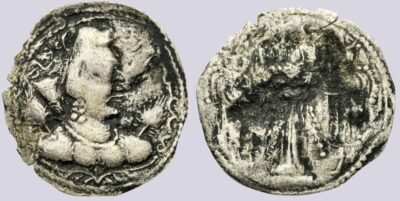
Iranian Huns. Hephthalites or Western Turks. Uncertain ruler. 5th – 6th cent. AD AE unit (0.61 g) OBVERSE: Sasanian style
https://youtu.be/309SucBXj10?si=mB65K9K6UjiZg4aq
https://youtu.be/03-i211dBFg?si=DxiK8O7qCpLEqgZz
https://youtu.be/VjlVKYeCAwo?si=KBKfPFBdXmkLwOOi
https://youtu.be/NHPWBAunxdU
https://youtu.be/HOPqG67yJ2o
https://youtu.be/4rDz7483IUU?si=uJoaaHnft5uRYkH9
https://youtu.be/fdqmIqhvEBY?si=nh323RIz_ELJwtpi
https://youtu.be/094ER6O-BjU?si=orZhOdcssqJdZ67J
https://youtu.be/YXThFVzFLsY?si=dsczGomI6FvlqQns
https://youtu.be/3aCif9pwTic
https://youtu.be/A3Mo52Oes34?si=41WTCIApbYgi4YNC
https://youtu.be/o9OeWYub_S4?si=Qho_ehXkgEzhO6FZ
https://youtu.be/ccNeiKf1Pc8?si=RA3Yl7OLgJCQH9Zz
https://youtu.be/rqjHV8GVwDQ?si=3UNr7PjErkiNv6nt
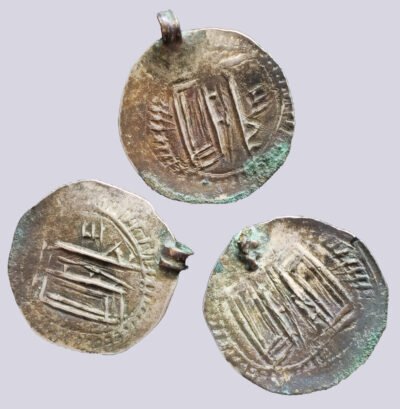
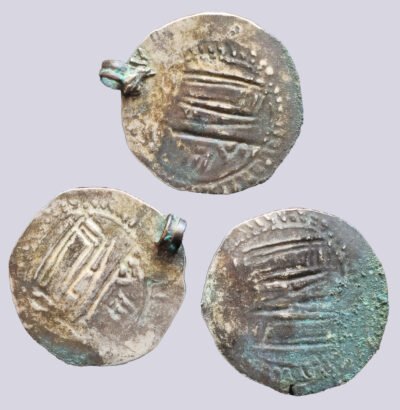
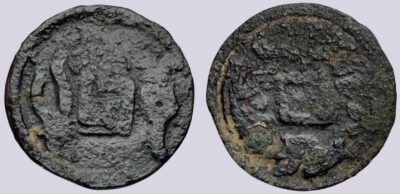
Central Asia. Soghd. Ikhshids of Samarqand. Turghar (738-750AD) Historical Context: The Ikhshids of Samarqand were local Sogdian rulers, semi-independent but
https://youtu.be/lnlxH1dT8CA?si=rognkD2jmW1q6DqL
https://youtu.be/u10iYtZNVsU?si=k1LyymCrHx8csRER
https://youtu.be/Xeb1bnv0PFw?si=5iMNjrn5gb-9UcPF
https://youtu.be/uzvxCI_Ft6E?si=drR95DWq71ClXtVw
https://youtu.be/zM-Daf1riKM?si=tjJnpfhCsh9tS9sa
https://youtu.be/g9XijjyGhT0?si=1q3Gio6K0s0tZAh4
https://youtu.be/__z290Z9ECo?si=Xmm07bUcT2ZAHSd1
https://youtu.be/Vdnu9nN7rr0?si=O869a3t5sCQLrXtK
https://youtu.be/MjPT21XLZyw
https://youtu.be/T6Ch_23Ls2Y?si=kv0BqCLylA71leOn
https://youtu.be/NmstmLSPJjo?si=1Nsm8Lihw7gqtWpg
https://youtu.be/LNpKOU2LTlI?si=H01fr05KtPO3HtRN
https://youtu.be/hRsX0S1M7-0?si=xa6Fb77nuUICNg1S
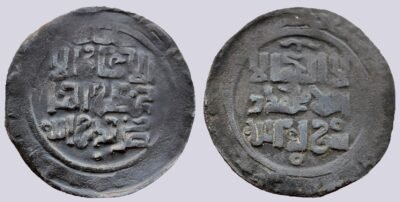
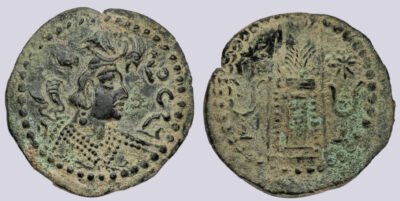
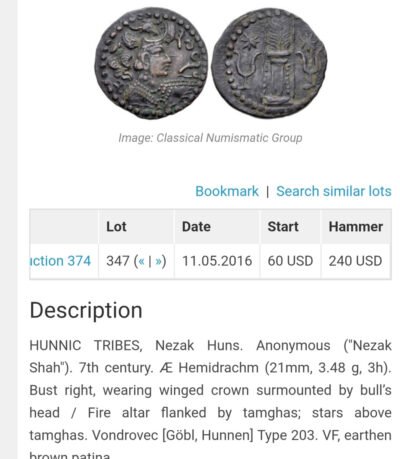
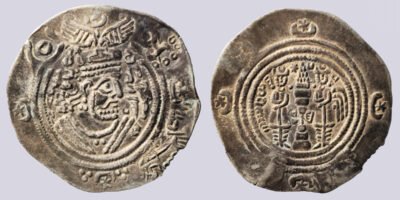
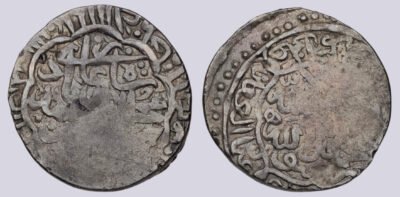
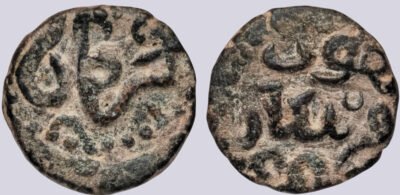
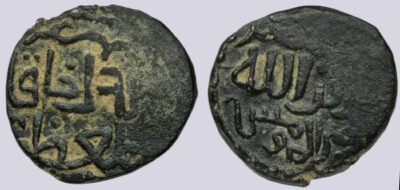
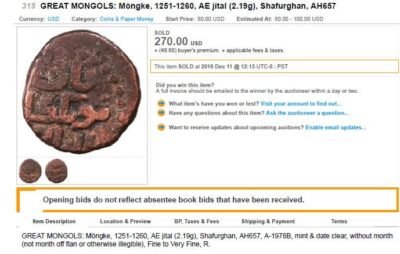
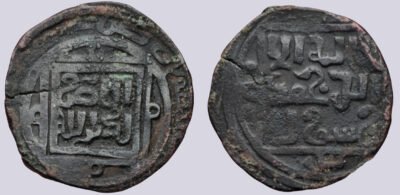
Western Turk Dynasties. Coin in the name of the Nezaks, but struck during the time of the Western Turks (second half
https://youtu.be/jTQLYcK9ris?si=YyoJLflnoWwUqzfB
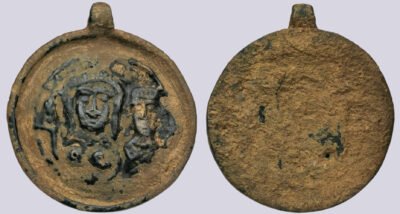
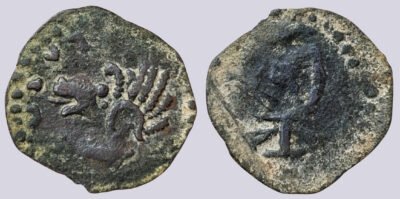
Ancient Central Asia. Silk Road Cultures. Copper bracteatein Hunnic style. 4th-6th cent. AD 1.17 g, 30.5 – 31 mm ♦Please,
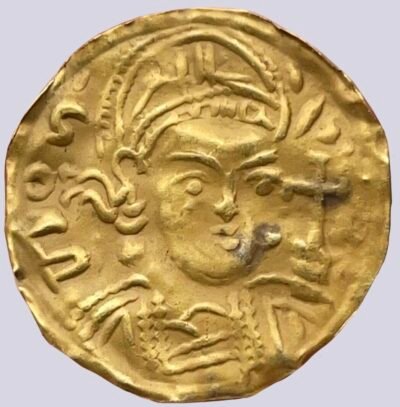
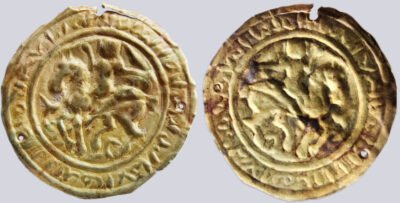
Central Asia / Silk Road. Hunnic copper imitation of Byzantine style Prototype – Byzantine AV solidus of emperor Heraclius, with
https://youtu.be/5kcVySDjBWk?si=d_krhlIuJiHcN5Zj
https://youtu.be/cFG-ji08HUM?si=gxyPgRnIWoTzE3qS
https://youtu.be/AW_c8ePwpWw?si=n-KZqOo8fuFS8arM
https://youtu.be/cxVrEcj2eTg?si=CYD3IuWQ-mcxZWyr
https://youtu.be/HhmnVZ1o_6Q?si=xx9rAsebWrulILKH
https://youtu.be/gQcL6ptWc5c?si=mA1XREWC4jqaQCX4
https://youtu.be/DCmnxB4-cS4?si=EdzzXv3FL-FD8dP-
https://youtu.be/Ag2n0Jf1CiI?si=m_3KOcbzpDAZtRr8
https://youtu.be/jhSevAAyZ4A?si=j-ZWwBOo9JYY0FHQ
https://youtu.be/L9q-z15ut88?si=mNrWpeGtIWkExH11
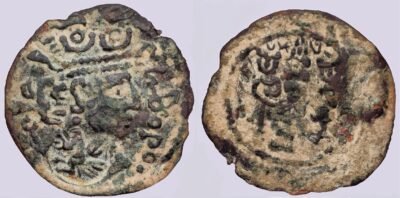
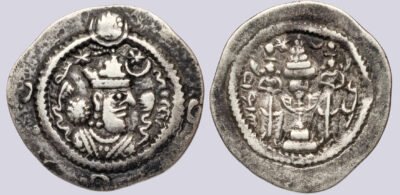
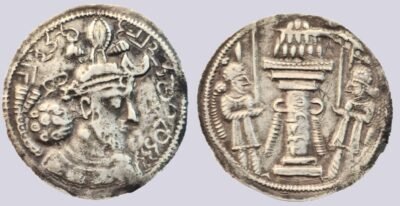
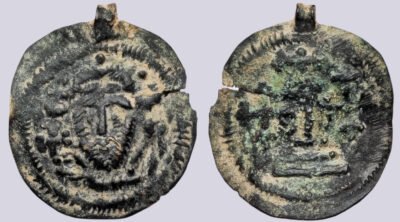
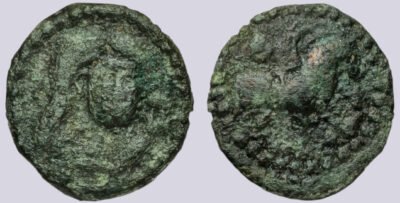
Iranian Huns. Hephthalites. Uncertain. 5th – 6th cent. AD AE unit (0.67 g, 15.5 – 16.5 mm) OBVERSE: Sasanian style
https://youtu.be/Tu3nq_feqC4?si=GijgiyG3bvCqifZy
https://youtu.be/7VoDXqtLCBM?si=3LyXJBpG9PMjE2Lg