
Username or email address *Required
Password *Required
Log in
Lost your password? Remember me
Showing all 70 resultsSorted by latest
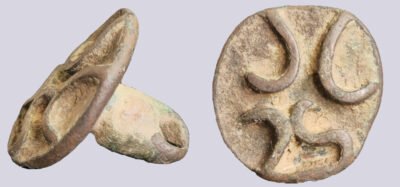
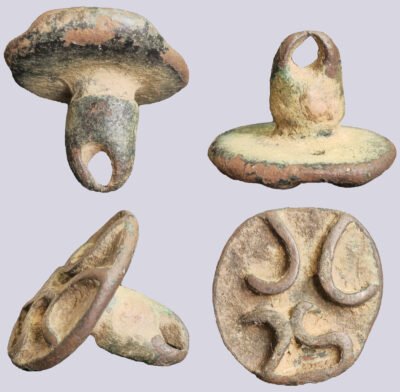
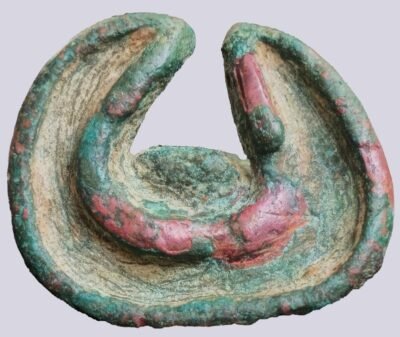
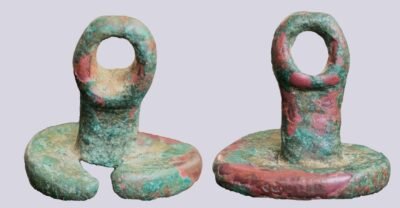
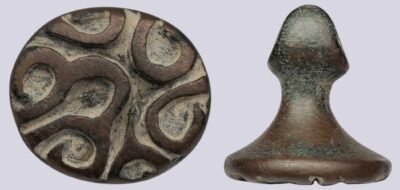
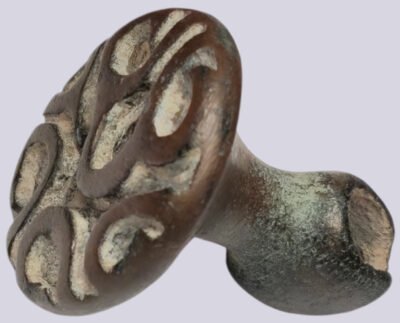
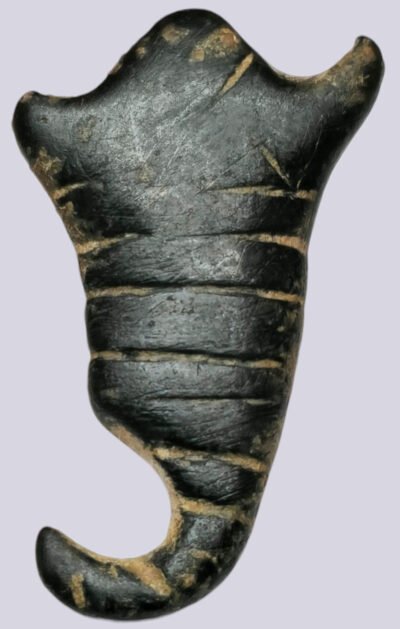
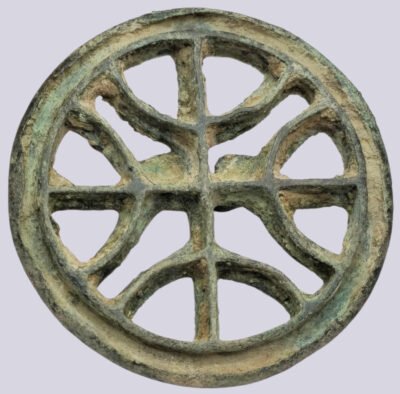
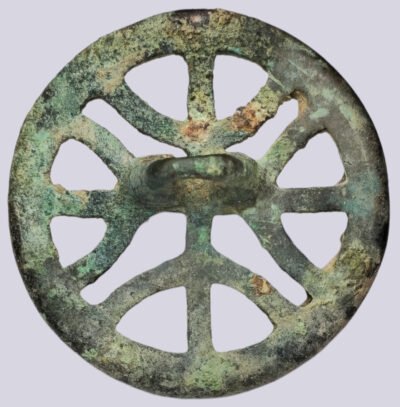
Bactrian bronze stamp seal in the form of a stylized cross from around 2300–2000BC, a fine example of early administrative
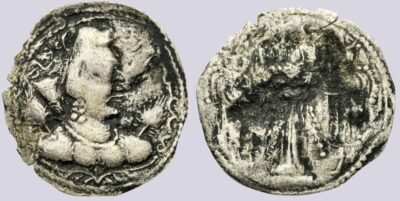
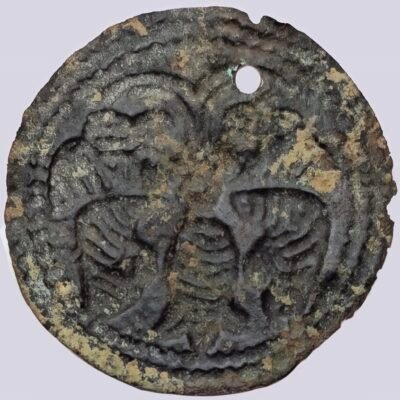
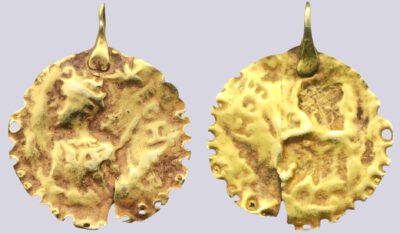
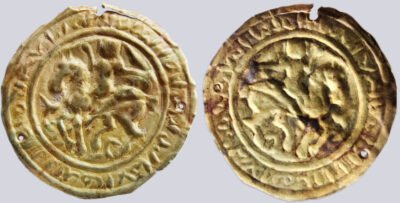
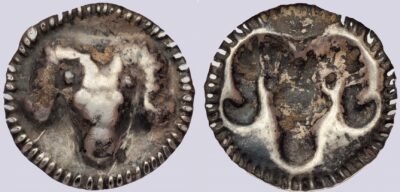
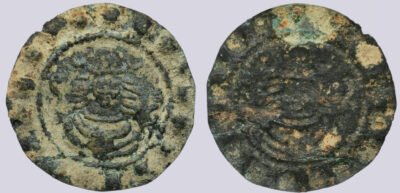
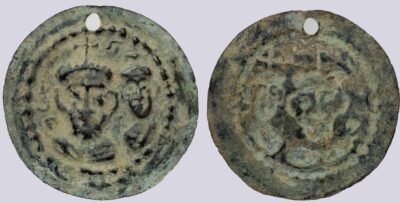
Silver bracteate. Early medieval period, 4th–6th centuries AD AR bracteate (0.60 g) Silver bracteate executed in characteristic Hunnic steppe style,
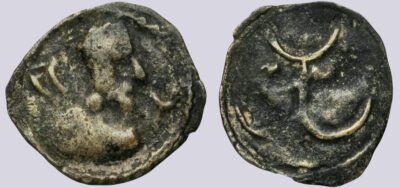
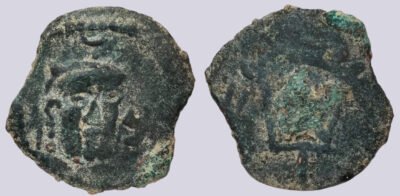
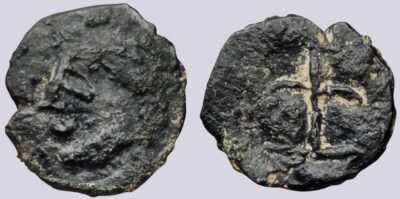
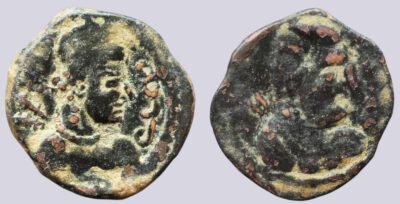
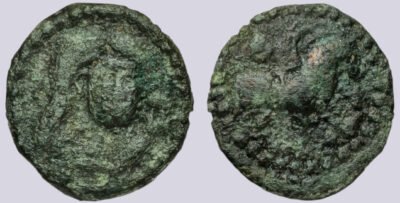
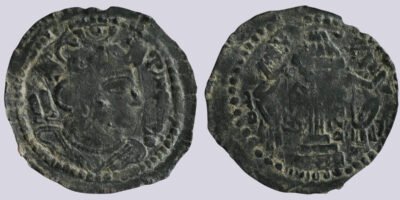
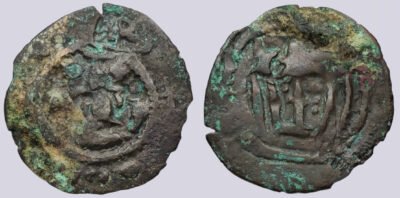
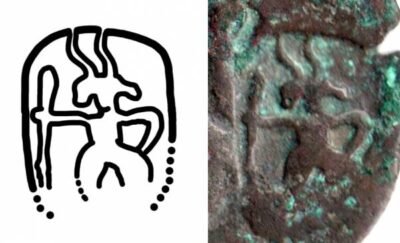
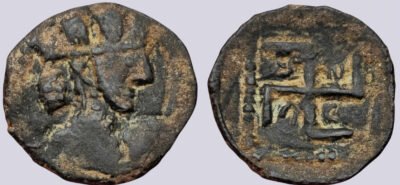
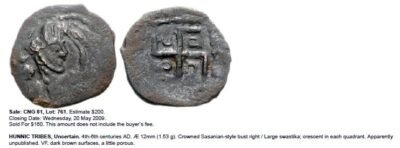
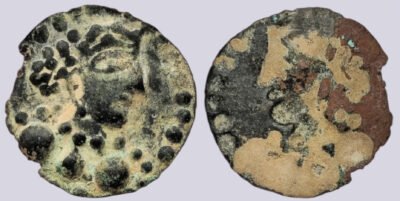
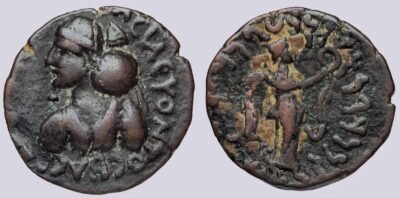
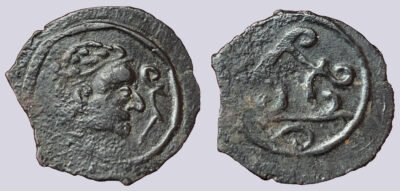
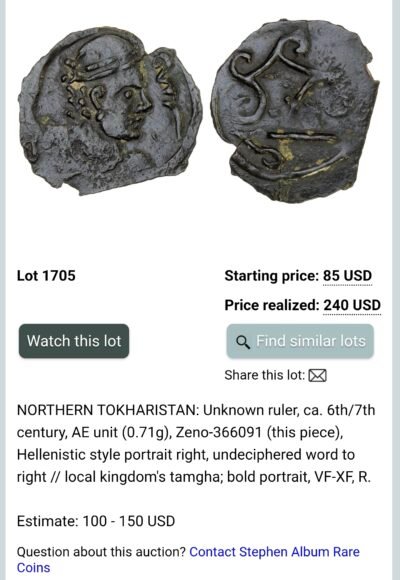
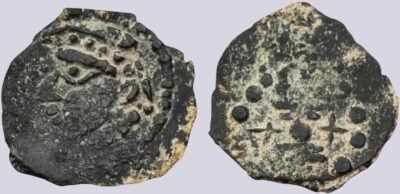
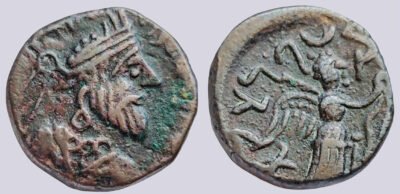
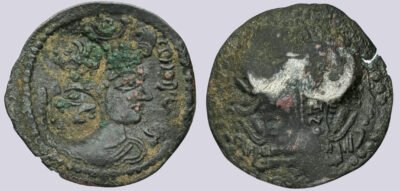
Central Asia. Local principalities in Northern Tokharistan (5th – 6th cent. AD) AE unit (1.50 g) OBVERSE: Sasanian style bust
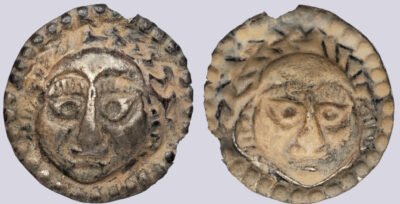
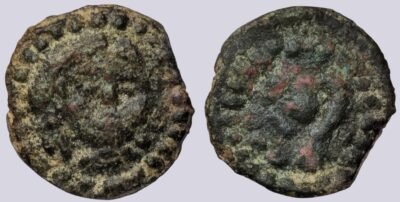
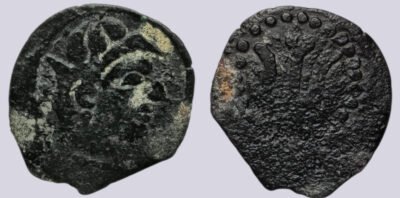
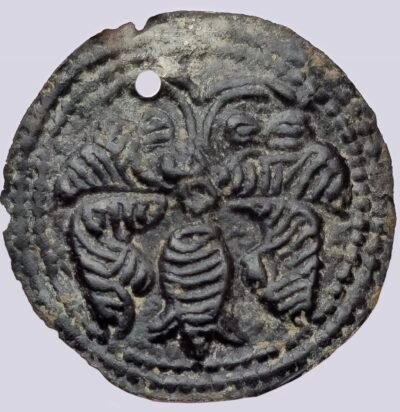
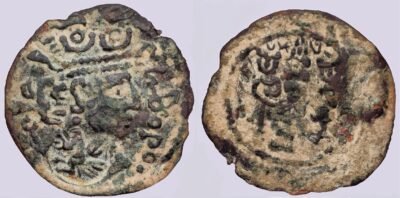
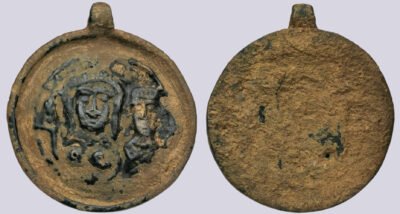
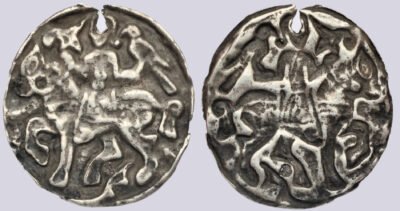
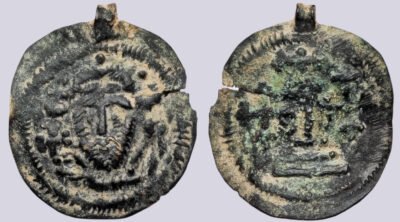
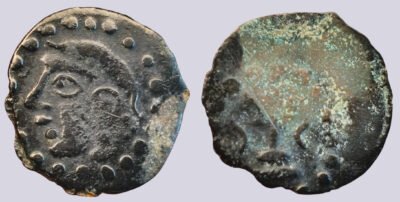
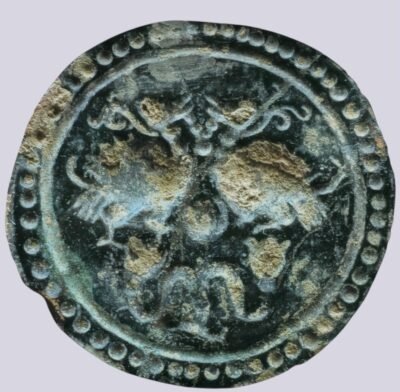
This AE (copper) bracteate appears to be in a Hunnic or Hephthalite floral style, reflecting the artistic and cultural influences
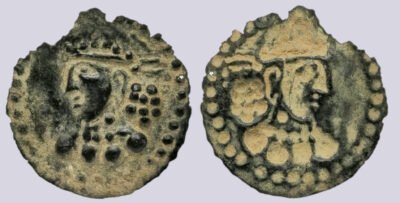
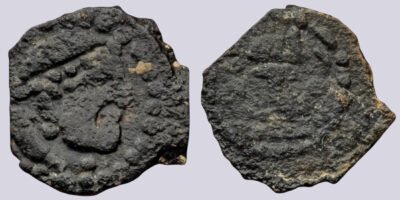
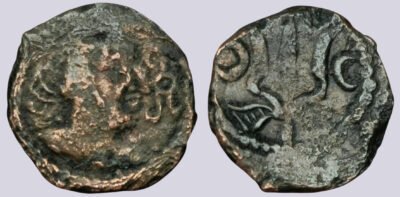
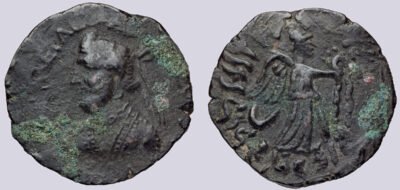
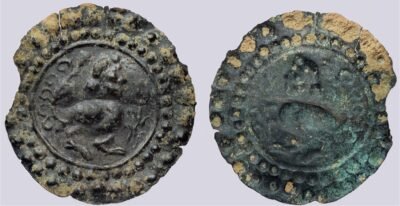
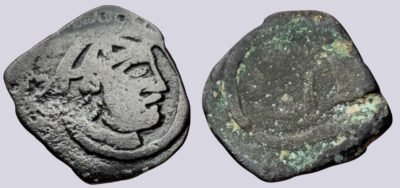
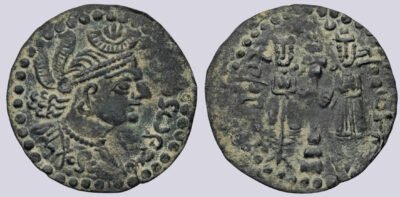
Iranian Huns. Alkhan / Alchon Huns. Gandharan series of Kashmir Smast (4th/5th cent. AD) AE unit (1.09 g, 12 –
Bactrian bronze stamp seal from around 2300–2000BC, a fine example of early administrative and trade tools from Central Asia Weight
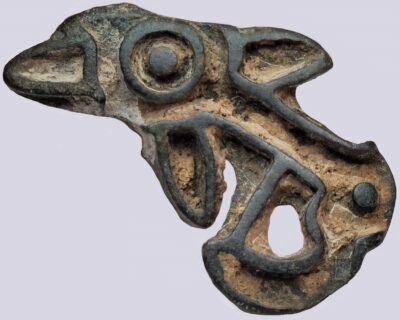
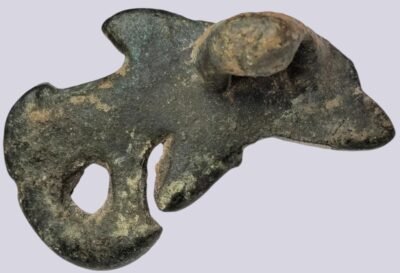
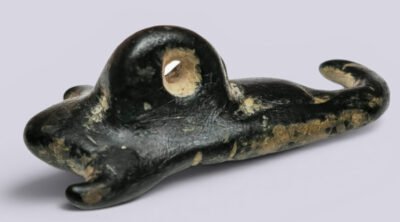
Bactrian bronze stamp seal in the form of a stylized Dolphin from around 2300–2000BC, a fine example of early administrative
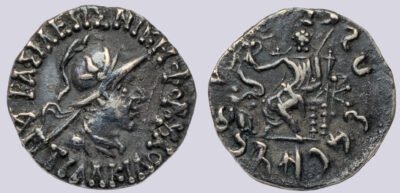
Indo-Greek Kingdoms. Antialkidas (115-95 BC) Antialkidas Nikephoros (“the Bringer of Victory”) was an Indo-Greek king who ruled in the northwestern
Ancient Central Asia. Silk Road Cultures. Copper bracteatein Hunnic style. 4th-6th cent. AD 1.17 g, 30.5 – 31 mm ♦Please,
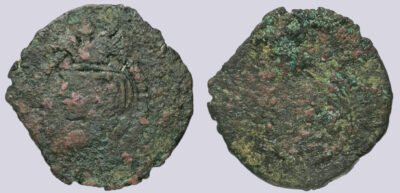
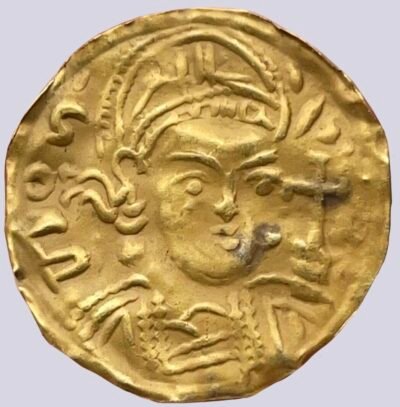
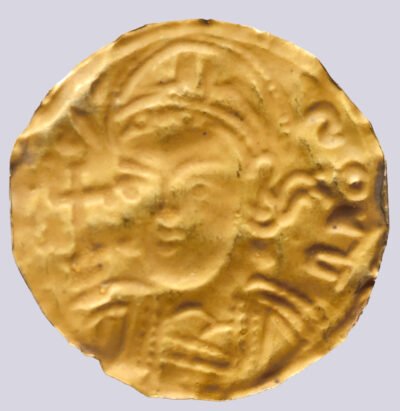
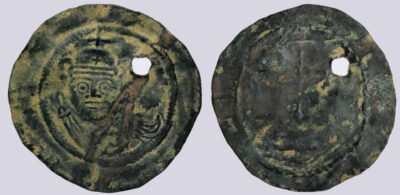
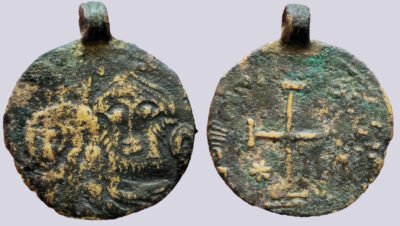
Central Asia / Silk Road. Hunnic copper imitation of Byzantine style Prototype – Byzantine AV solidus of emperor Heraclius, with
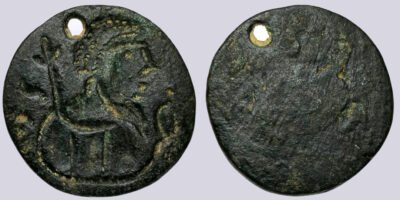
Silk Road Cultures. Hunnic style AE bracteate 1.26 g, 27 – 27.5 mm (without loop) VF. Extremely RARE with intact
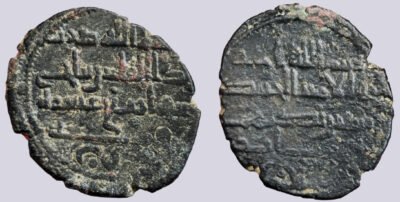
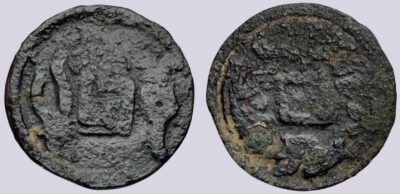
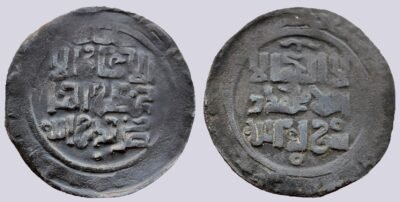
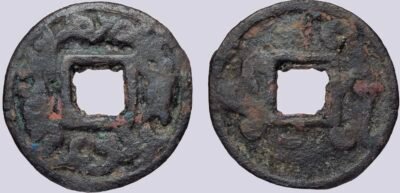
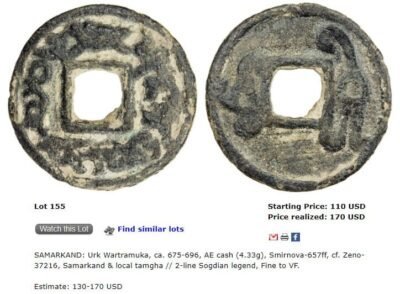
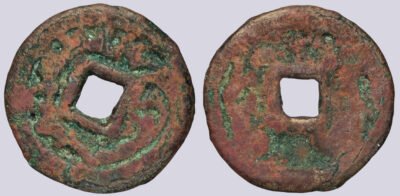
Central Asia. Soghd. Ikhshids of Samarqand. Urk Wartramuka (~675-696 AD) Imitation of Chinese AE cash 4.75 g, 26.76 – 27.27 mm OBVERSE: Soghdian
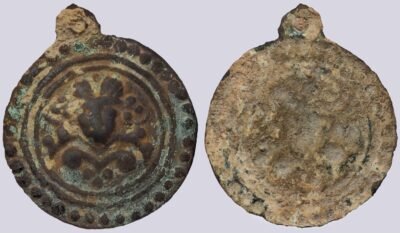
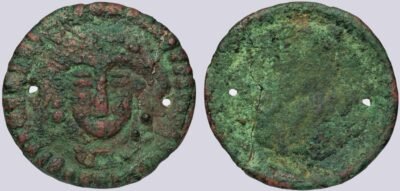
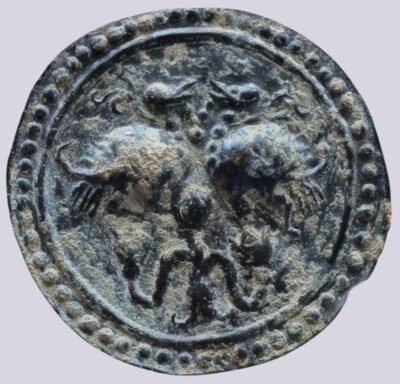
Central Asian AE (bronze) bracteate or buckle from the Silk Road region, likely dating to the early medieval period (4th–7th